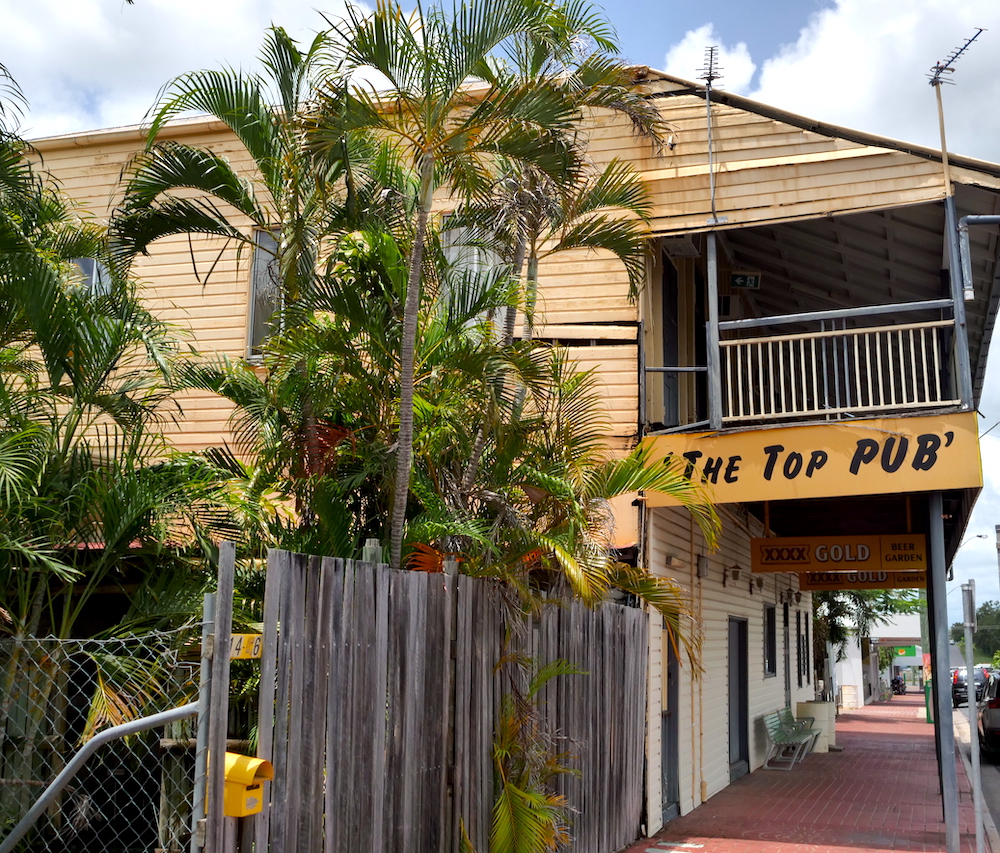
A Sense of Place – Collinsville is an essay on the small but important rural town of Collinsville. Collinsville is approximately 85 minutes drive west of Bowen In North Queensland. It is traditionally a centre for cattle and coal mining. The town sits on the Great Dividing Range and at the northern end of the famous Bowen Basic coal reserves.
The journey to Collinsville
The summer heat hangs heavy in the air, thick with humidity, like riding through a sauna. What is usually a dry, sparse landscape has burst into life—grasses and weeds glowing green after rain. My journey begins in the coastal town of Bowen, heading inland toward Collinsville, a ride of just 85 kilometres that climbs steadily into the Great Dividing Range. Today it takes an hour and a half. Before roads and rail, it took six days.
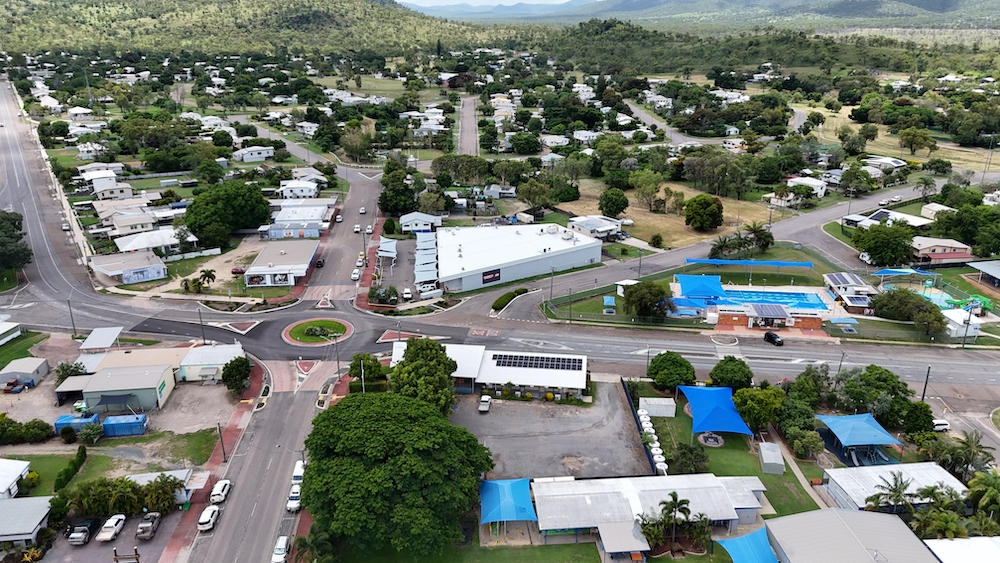
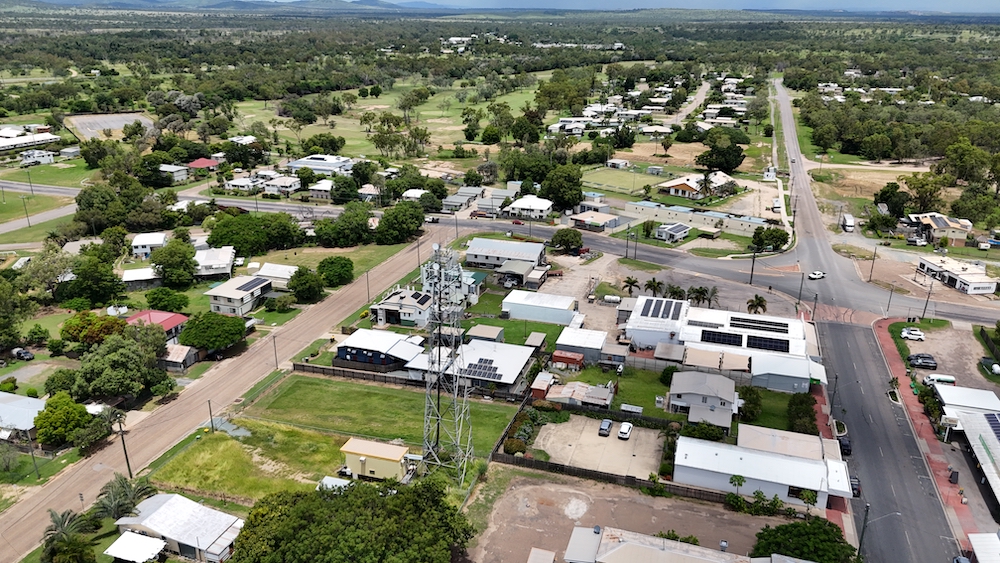
The road winds past mango plantations in the Don River Delta, then rises along escarpments of ancient rock before opening onto a broad plateau of grassland. Australia is often described through stories of drought, hardship, and isolation, but less often through the motivations and sacrifices of those who built communities in these difficult places.
Collinsville sits at the northern edge of a vast plateau overlooking the Bowen Basin—an ocean of grassland and forest stretching far beyond the horizon. From the rise above town, the land appears flat and endless, broken only by distant hills stripped bare by mining. It is a working landscape, shaped by labour and time.
The Pit Pony
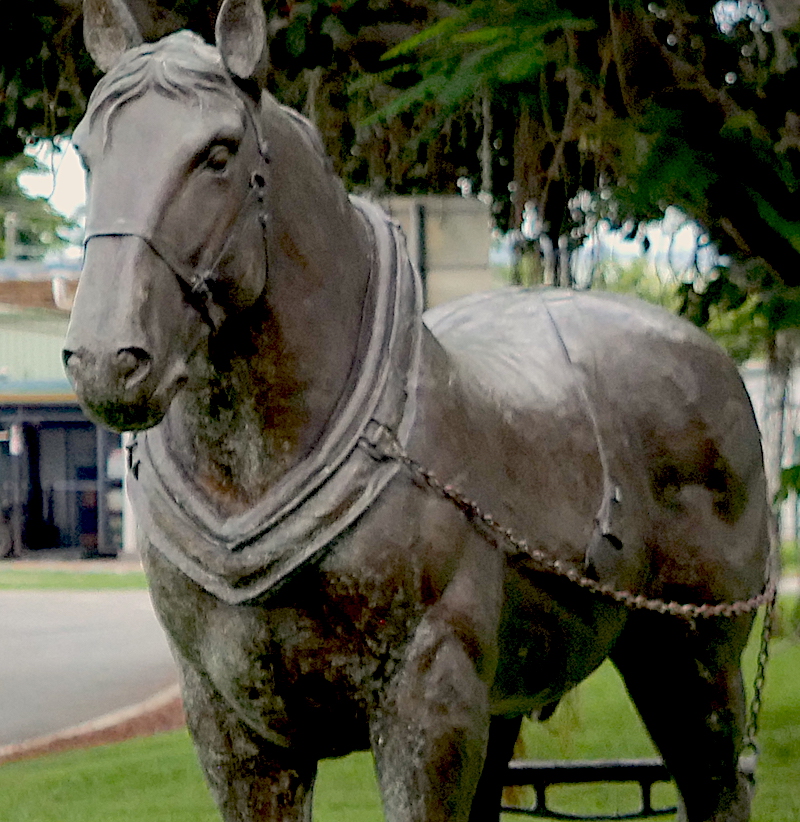
The town is known as the “Pit Pony Capital of Australia,” a title that captures its character more accurately than any statistic. The pit pony was not a mascot but a working partner, hauling coal through dark and dangerous tunnels. It symbolised the bond between people, animals, and industry. That bond remains strong enough that a bronze monument stands at the town entrance, and its name lives on in local pubs and signs.
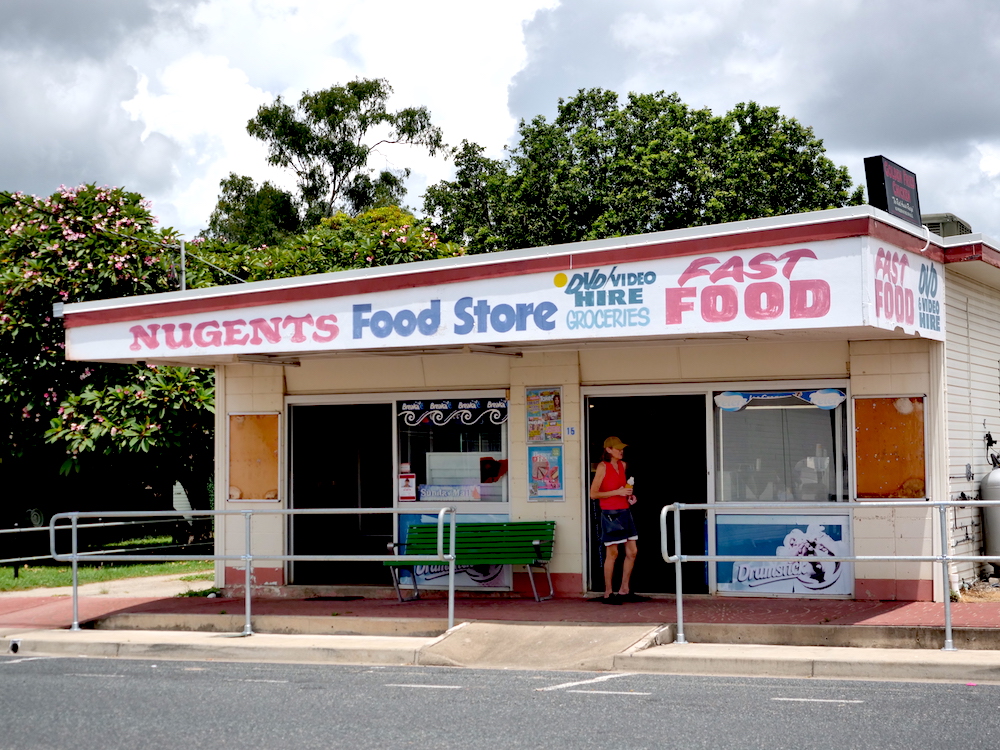
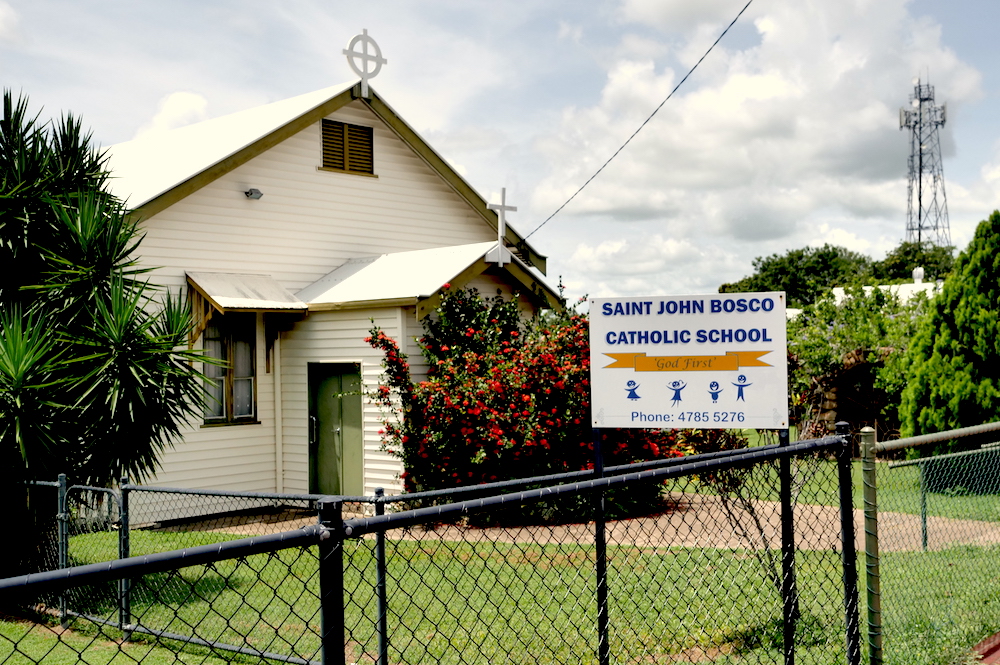
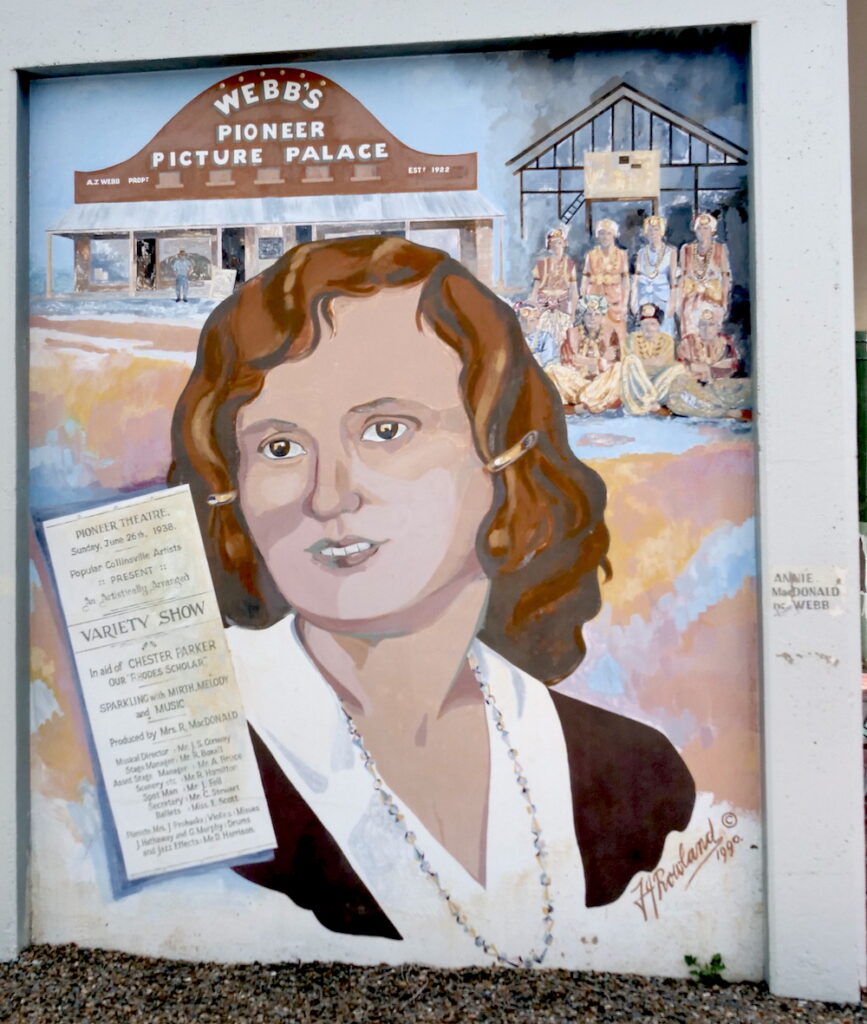
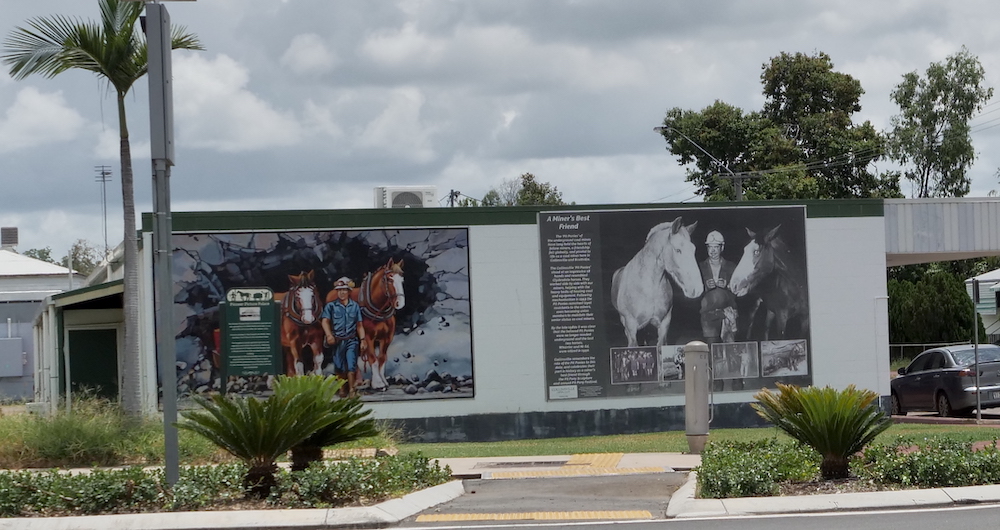
Unlike many modern mining towns built around fly-in, fly-out workforces, Collinsville has retained a deep sense of community. Here, survival depended on interdependence. Miners relied on one another underground, and above ground they relied on graziers and station workers. Cooperation, not competition, ensured safety and prosperity.
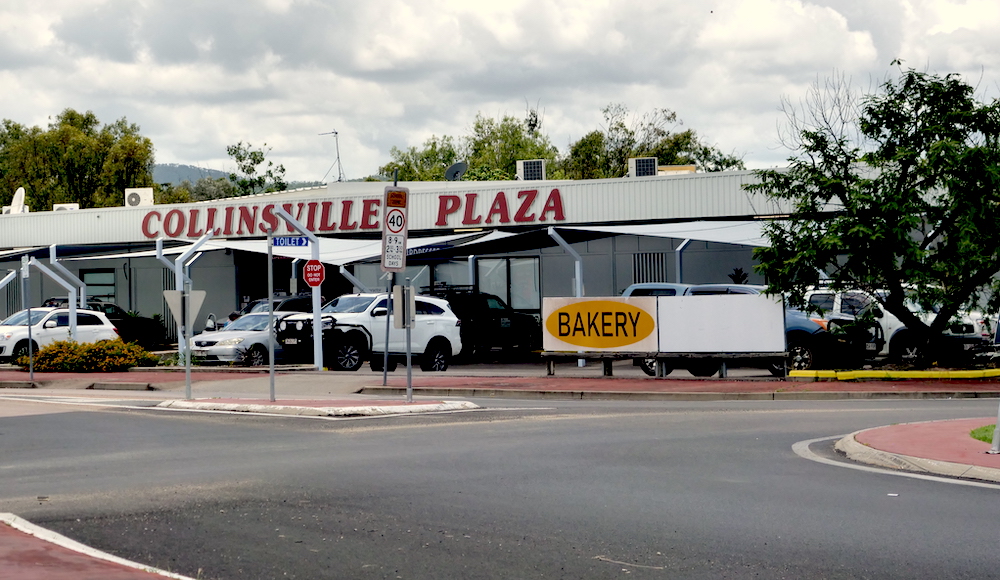
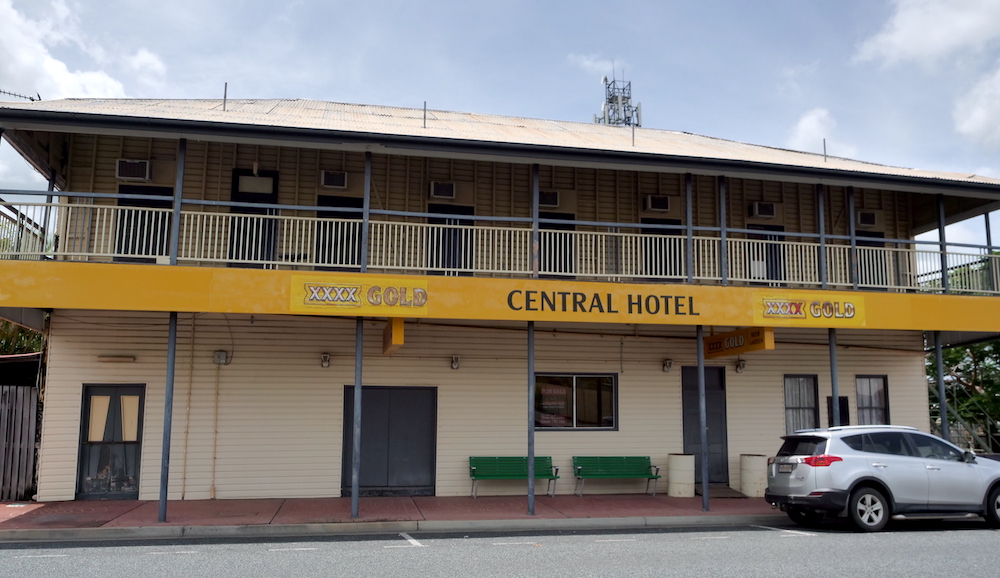
My understanding of such communities comes from childhood years spent in a Yorkshire mining village in England. In places like that, two truths are universal: family is everything, and respect determines survival. Outsiders are tested. Belonging must be earned or revealed.
An awakening
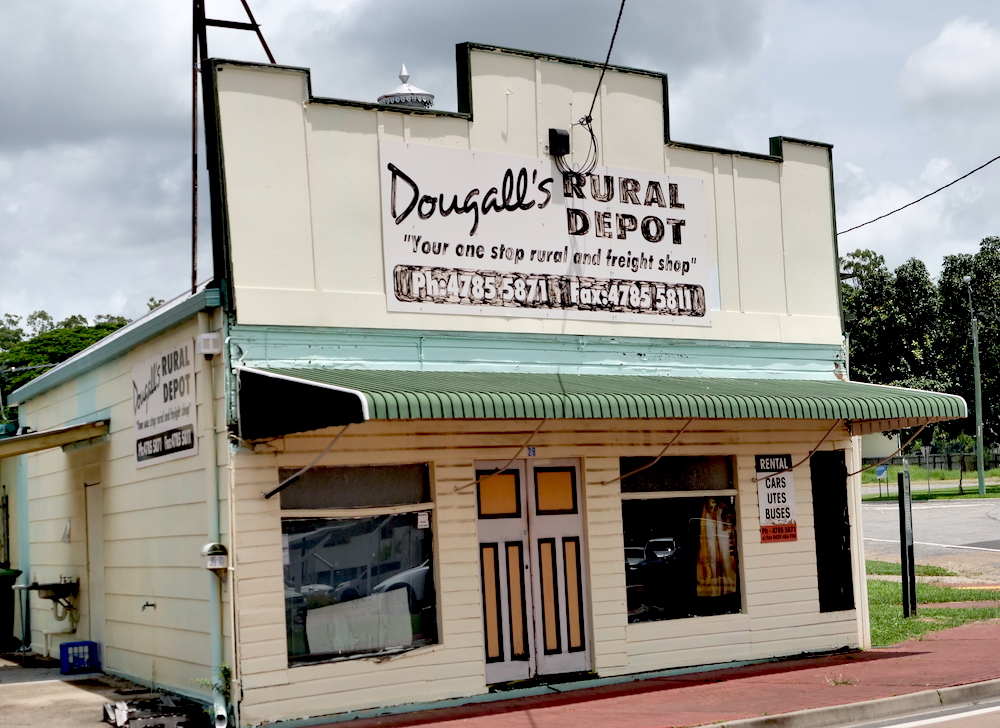
As I leave Collinsville, I stop at the town sign and look back and try to gather my thoughts on what this place says to me. A Sense of Place – Collinsville has so much of the mining culture embedded in it, through the old stories in the archives or expressed in the murals and monuments. To the casual observer, it might appear worn or forgotten. But beneath the surface is a strong pulse of pride, loyalty, and history. A sense of place, I realise, is not found in buildings or industries, but in the invisible contracts people make with one another. Collinsville is not just a mining town—it is a community, shaped by shared work, shared risk, and shared respect.
How to get there
Collinsville is 85 kilometres west of Bowen in North Queensland. From the Bruce Highway, drive approximately five kilometres north from the Bowen Airport. Make a left at the Shell petrol station at the “Lower Don” community and head west. You pass small crop fields, the town’s refuge dump and cross the rail line twice before climbing towards the plateau.
No responses yet